From Fish Protein to Amino Nitrogen: What Production Teams Monitor in Fish Sauce Maturation
Fish sauce maturation is not a shortcut process. It is a controlled transformation of salted fish protein into soluble peptides, amino acids, aroma compounds, color, and mouthfeel. For a fermentation manager, the question is not simply whether a batch is aging. The question is whether it is moving in the right direction, at the right pace, without drifting away from the house profile.
SaltPulse Bioworks works with production teams that respect traditional fish sauce craft while needing stronger batch discipline at factory scale. As an enzyme supplier for fish sauce fermentation, our role is to support controlled protein conversion under high-salt conditions without asking plants to abandon the sensory identity their customers expect.
Why amino nitrogen matters in mature fish sauce
Amino nitrogen is one of the key indicators production teams use to understand how far protein breakdown has progressed. It does not tell the whole story by itself, but it gives useful direction when viewed alongside aroma, color, salinity, solids behavior, and sensory maturity.
In practical plant language, amino nitrogen helps teams answer questions such as:
- Is the batch releasing soluble nitrogen steadily?
- Is maturation progressing at the expected pace for this fish type and salt level?
- Are different vats showing avoidable variation?
- Is the flavor base developing depth, or only sharpness?
- Can blending decisions be made with more confidence?
The best monitoring programs do not treat amino nitrogen as a single finish-line number. They use it as part of a trend record that helps protect consistency from batch to batch.
From intact fish protein to soluble flavor building blocks
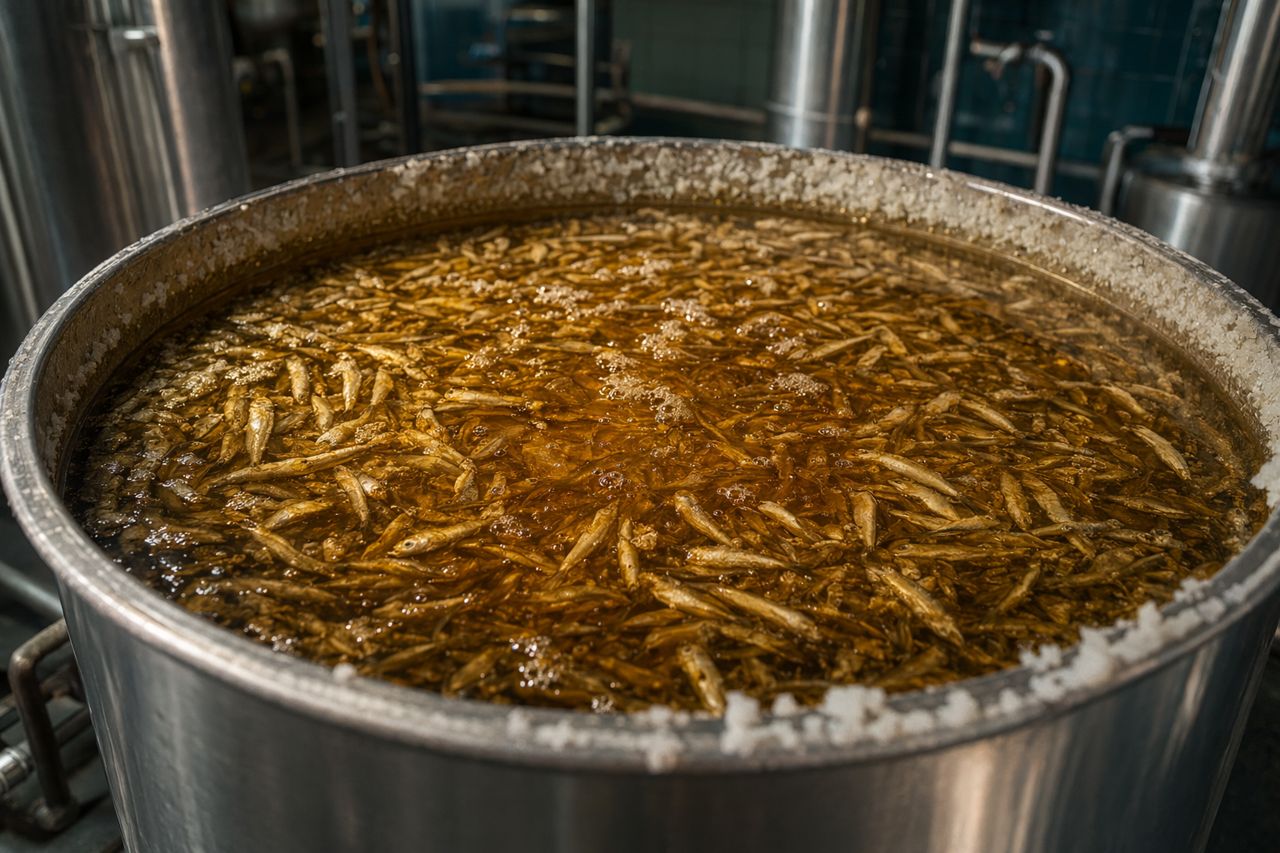
In the early stage of fermentation, the system is dominated by salted fish muscle, endogenous enzymes, salt diffusion, and microbial ecology shaped by brine strength. Over time, protein structures loosen and break down into smaller fractions.
Production teams usually watch this transformation through several practical lenses:
1. Brine release and physical settling
Salted fish must settle into a stable brine environment before the batch can mature evenly. Uneven packing, dry pockets, or inconsistent fish-to-salt contact can create slow zones in the vat. These zones may later show weaker nitrogen release or delayed aroma development.
2. Soluble nitrogen direction
As proteins break down, nitrogen-containing compounds become more soluble in the liquid phase. Monitoring the direction of this change helps teams understand whether the batch is progressing normally, slowing, or moving too quickly for the desired profile.
3. Peptide and amino acid balance
The sensory quality of fish sauce depends on more than total breakdown. Harshness, bitterness, brothiness, sweetness, and long umami finish are influenced by the balance of peptides and amino acids formed during maturation. A process that only chases speed can damage this balance.
4. Aroma maturity
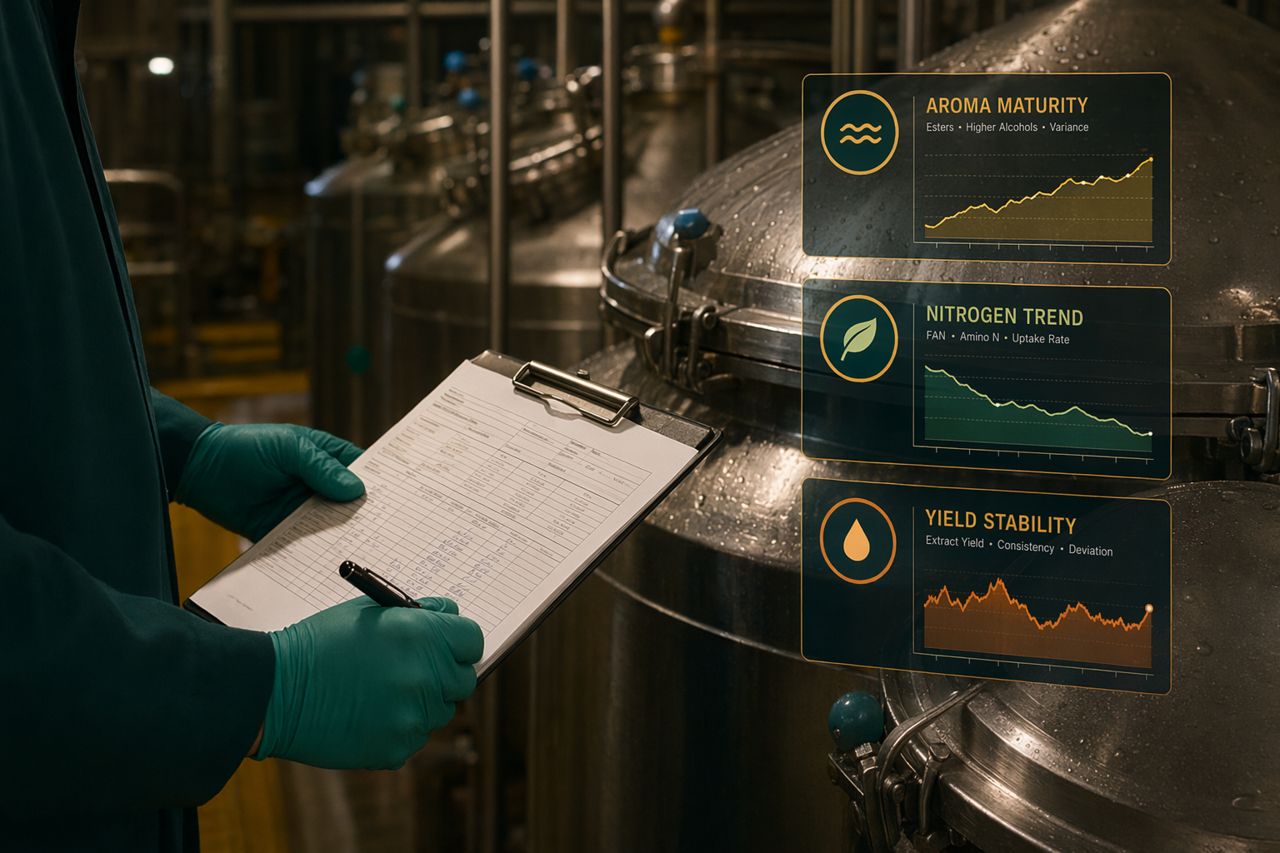
Aroma is an operating checkpoint, not just a final tasting note. A mature batch should show clean marine depth, savory roundness, and controlled fermented complexity. Warning signs include stagnant brine notes, excessive sharpness, muddy sulfur character, or batch-specific off-aromas.
5. Color and clarity movement
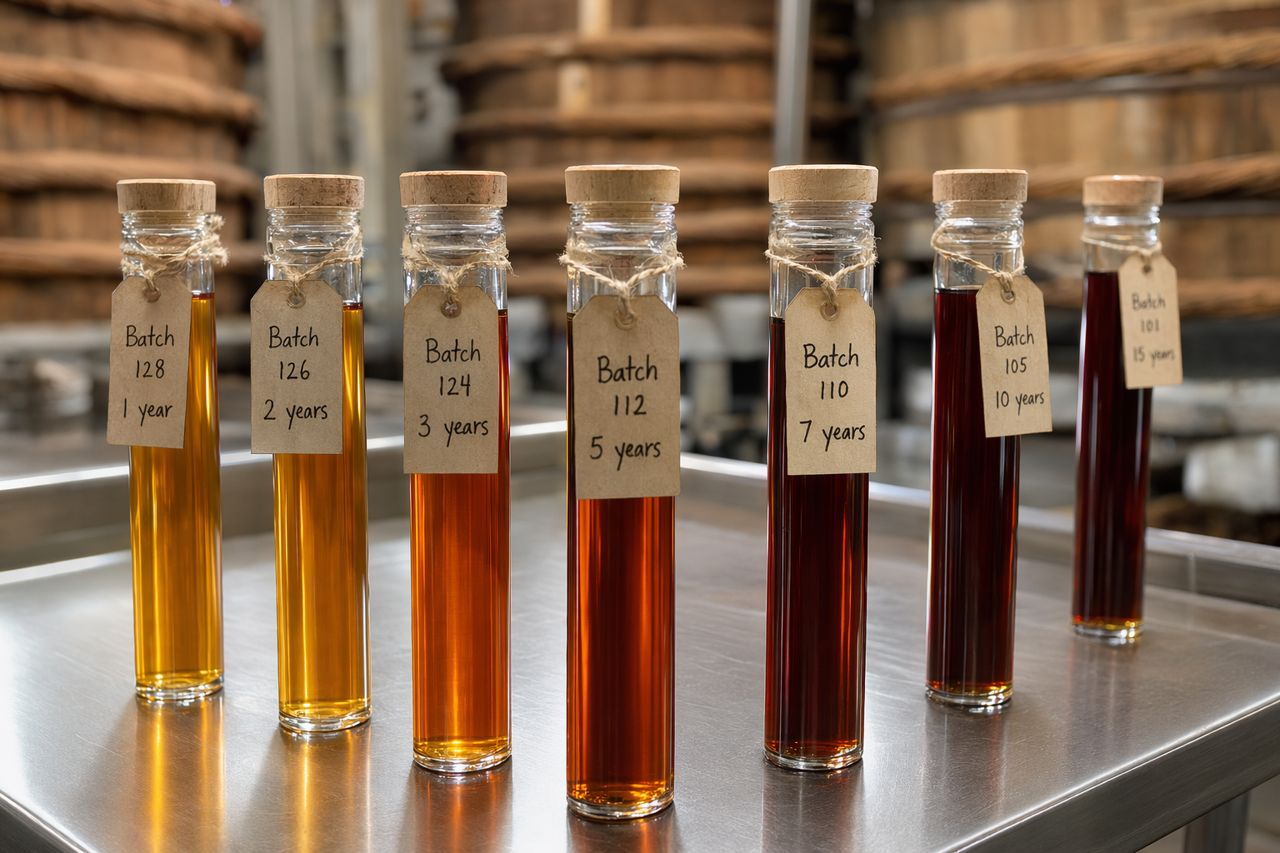
Amber color development, sediment behavior, and liquid clarity help teams understand extraction and maturation progress. These observations are most useful when recorded consistently under the same plant conditions.
What changes when enzymes are introduced
Enzyme support can help guide protein conversion, especially where a factory needs improved maturation predictability, stronger nitrogen release, or more consistent yield across seasonal raw fish variation. The target is not to make every fish sauce taste the same. The target is to reduce avoidable uncertainty.
A well-matched enzyme approach can support:
- More predictable soluble nitrogen development
- Better use of available fish protein
- Improved consistency between vats and production seasons
- More stable maturation planning
- Greater confidence in blending decisions
- Support for established aroma and color targets
For fish sauce factories, salt tolerance is central. Enzymes must remain practical in brined conditions and fit the plant’s operating reality. They must also respect the slow-crafted identity of the product.
Process checkpoints production teams should align on
The strongest monitoring systems are simple, repeatable, and understood by both the fermentation floor and the quality team. Without publishing confidential internal procedures, these are the checkpoints many plants formalize.
Raw material and salting record
Record fish species, freshness window, size distribution, salt ratio, loading date, and vat identity. These details create the context for every later interpretation.
Early vat stabilization
Confirm that the fish mass is fully contacted by brine and settling as expected. Look for uneven liquid formation, localized dryness, excessive foam, or unusual odor development.
Mid-maturation trend review
This is where amino nitrogen direction becomes especially useful. Teams compare trend movement against batch age, salinity, temperature exposure, and historical plant performance.
Aroma maturity panel
A trained internal panel should describe aroma in production language: clean marine, deep umami, broth-like, sharp, sulfurous, muddy, sweet, or thin. Consistent vocabulary helps reduce subjective disagreement.
Yield and liquid recovery review
Factories do not monitor maturation only for quality. They also need reliable extractable liquid yield, reduced losses, and predictable downstream handling. Yield stability is part of fermentation control.
Blending readiness
Mature fish sauce often becomes commercially valuable through disciplined blending. Monitoring helps determine which vats bring depth, which bring brightness, and which require more time.
Common monitoring mistakes in fish sauce maturation
Treating one number as the whole truth
Amino nitrogen is important, but it should not replace sensory judgment, salinity control, aroma maturity, and vat history. A batch can look acceptable on one metric and still miss the house profile.
Comparing vats without context
Fish source, loading density, salt contact, season, vat geometry, and temperature exposure all affect maturation. Direct comparisons without context can lead to poor decisions.
Pushing speed at the expense of flavor
Faster protein breakdown is not automatically better fish sauce. A production-minded enzyme program must protect the final sensory target, not just shorten a timeline.
Waiting too long to investigate drift
When a batch begins to move off trend, early investigation gives the team more options. Late-stage correction is harder, especially when aroma has already moved in an undesirable direction.
How SaltPulse Bioworks supports factory teams
SaltPulse Bioworks develops enzyme solutions for high-salt protein fermentation environments where consistency, flavor direction, and production reliability matter. We work with fermentation managers to understand raw material patterns, maturation targets, plant constraints, and the sensory character that defines the brand’s fish sauce.
Our support can include:
- Enzyme selection for brined fish protein systems
- Process-fit discussion for existing vats and workflows
- Pilot planning guidance without disrupting traditional craft identity
- Batch consistency review across seasons
- Practical support for maturation time, nitrogen release, aroma development, and yield stability
If you are evaluating an enzyme supplier for fish sauce fermentation, the right partner should ask about your product profile before discussing speed. The goal is not generic hydrolysis. The goal is controlled maturation that earns trust in production.
Request a quote
Planning a pilot, comparing seasonal batch performance, or reviewing maturation consistency across vats? Share your production goals through our on-site request form. SaltPulse Bioworks will respond with a practical quotation pathway for your fish sauce fermentation needs.