Enzyme for Accelerated Fish Hydrolysis
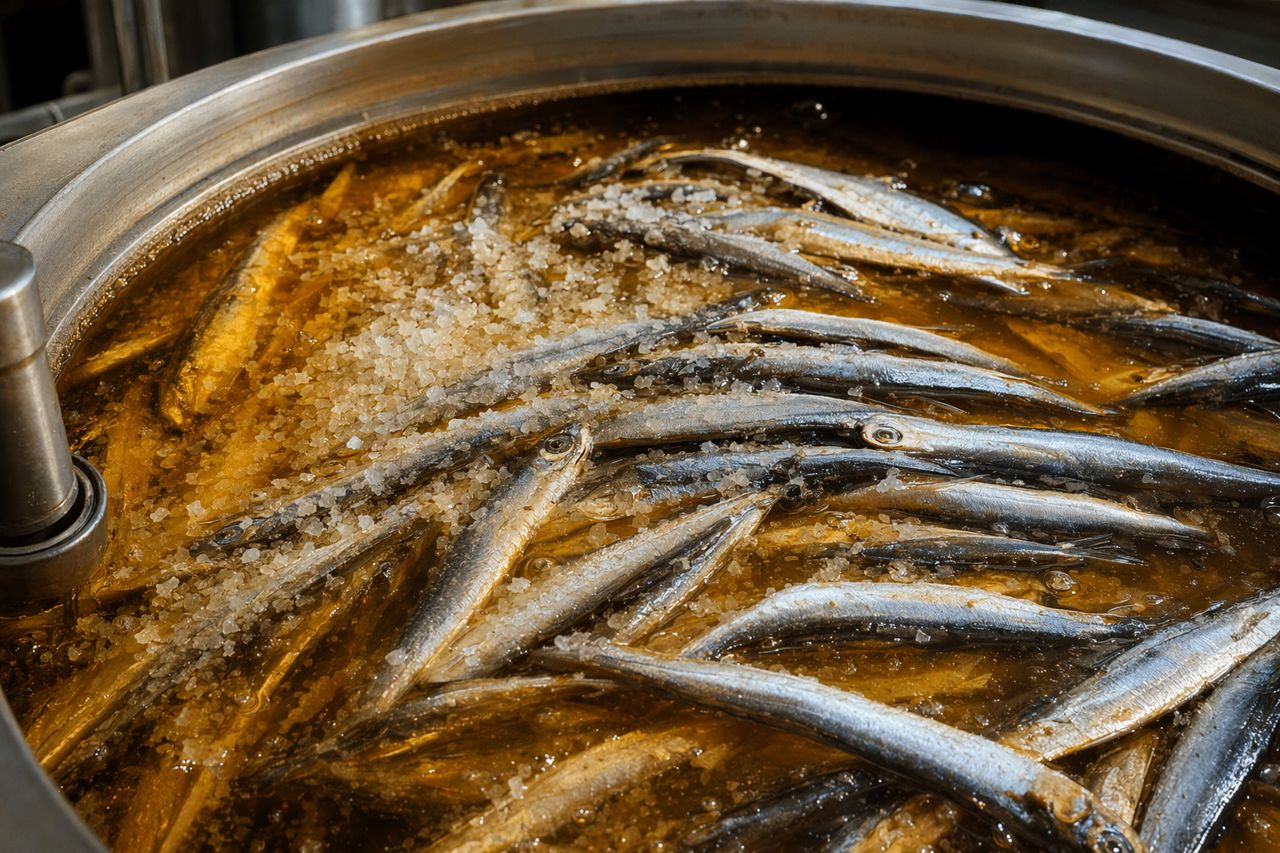
Enzymesforce supports fish sauce factories that need faster protein breakdown without losing the slow-crafted character that defines a mature sauce. Our enzyme solutions are selected for high-salt fermentation environments, controlled nitrogen release, and dependable plant-scale performance.
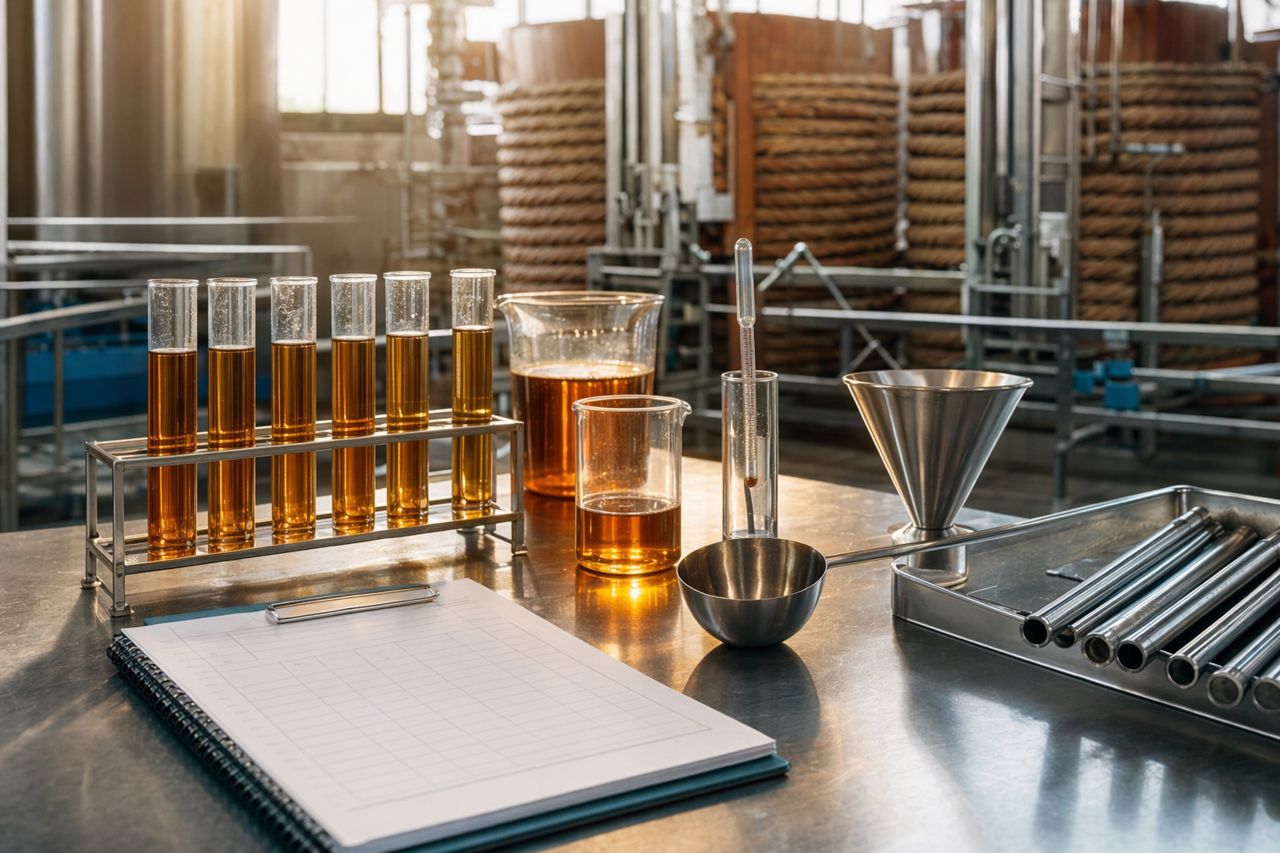
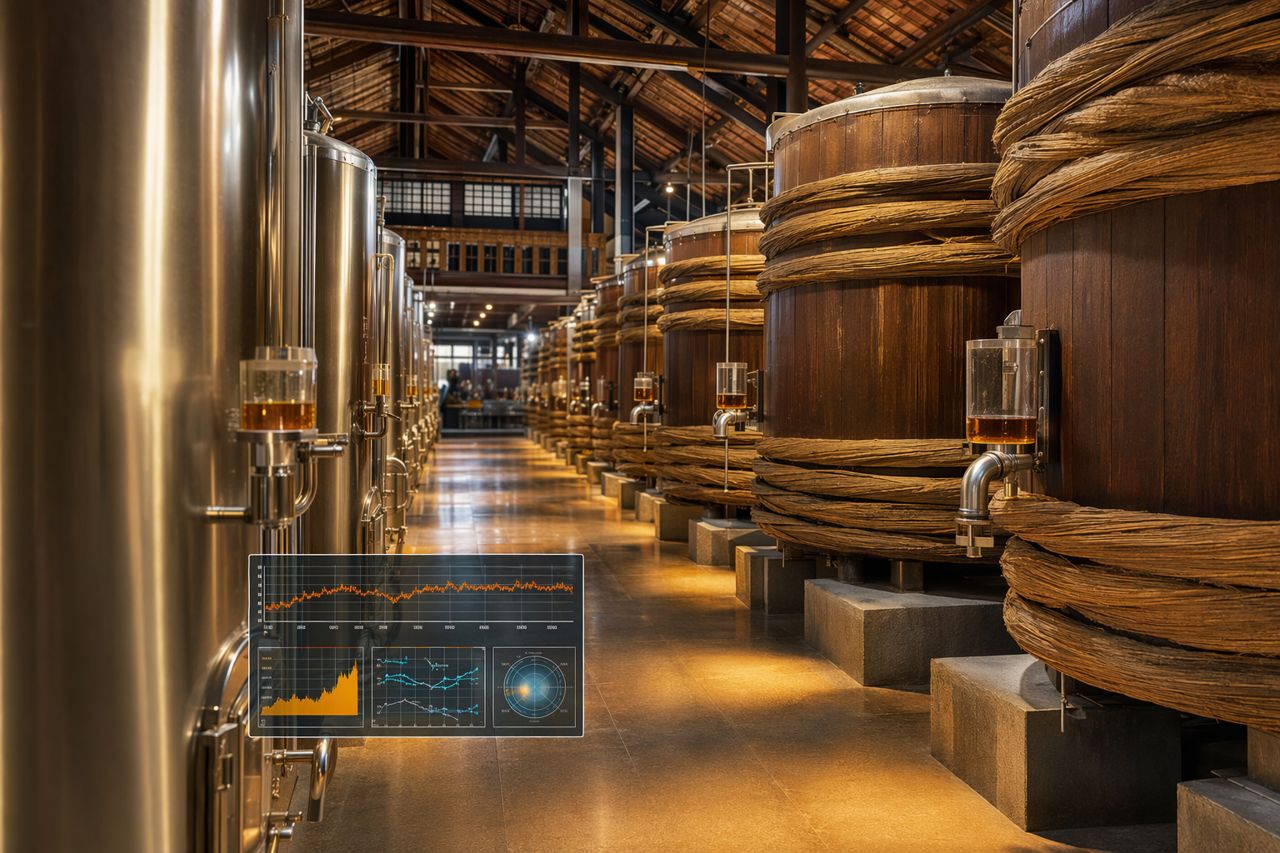
For fermentation managers, the goal is not simply speed. The goal is a steadier path from salted fish to clear, amber, aroma-rich extract: predictable hydrolysis, manageable solids, repeatable maturation behavior, and fewer surprises between vats.
For fish sauce manufacturers, seafood condiment plants, contract fermenters and ingredient distributors. Business inquiries only; pack sizes, quantities and delivery are quoted per order.
Request a quote: send the product, the quantity you need and the destination, and we reply with a quote path.
Shorter hydrolysis timelines, without treating fish sauce like a shortcut product
Traditional fish sauce depends on time, salt, fish quality, microbial ecology, and careful handling. Enzymes can help unlock fish protein earlier in the process, but they must be matched to the brine, temperature profile, raw material, and target sensory profile.
Enzymesforce works as an enzyme supplier for fish sauce fermentation for factories that want practical acceleration while respecting heritage production. We focus on controlled release rather than aggressive breakdown, helping teams improve throughput while maintaining the depth, clarity, and aroma progression expected from commercial fish sauce.
Where accelerated hydrolysis creates value
More consistent nitrogen release
Variation in fish size, freshness, seasonal catch composition, and salting practice can create uneven hydrolysis. A well-matched enzyme system helps reduce batch-to-batch spread by promoting more predictable protein solubilization and amino nitrogen development over the maturation window.
Reduced waiting risk in primary fermentation
Long hydrolysis timelines tie up tank capacity and create planning uncertainty. Enzyme-assisted breakdown can help factories move toward target maturation markers earlier, supporting better tank rotation and production scheduling.
Improved liquid yield from salted fish mass
When protein and connective structures break down more efficiently, factories can often recover more usable extract from the same raw material base. This supports margin improvement without changing the identity of the finished product.
Better control over aroma development
Fish sauce aroma must be developed, not forced. Our approach considers how hydrolysis influences savory depth, fermented marine notes, harsh edges, and clean finish. The objective is to support maturity, not create a thin or over-digested profile.
Designed for high-salt fish sauce environments
Fish sauce fermentation is not a gentle processing environment. Salt concentration, long residence time, variable raw material, and microbial complexity can limit many generic enzyme products.
Enzymesforce evaluates enzyme fit around factory realities:
- Performance in high-salt brine conditions
- Compatibility with anchovy, mixed fish, or regional raw material streams
- Controlled protein breakdown rather than uncontrolled liquefaction
- Support for clear extract development and manageable pressing behavior
- Practical dosing integration into existing salting, mixing, or vat-filling steps
- Reliability across pilot, first production trial, and plant rollout
Fish-protein hydrolysis blends: what they are and what to check before a vat trial
Enzymes made for this step are usually compound preparations: several proteases, typically alkaline protease and neutral protease, blended to work on fish protein together. A well-matched blend hydrolyses fish protein efficiently into small peptides and amino acids. That is the soluble fraction your QC team tracks as amino nitrogen, so it is the right yardstick for a trial.
The blend itself is made by liquid submerged fermentation of selected production strains, then refined, compounded and supplied as a solid grade. A typical grade works in an effective window of pH 6.0 to 9.0 and 30 °C to 60 °C. Match the dosing point to the stage where your mash sits inside that window. Ask for activity data at your own brine salt level before committing a full vat.
| Question for the quote | Why it matters in a fish sauce plant |
|---|---|
| Which proteases are in the blend? | Alkaline and neutral protease work on fish protein together; a single enzyme is a different product |
| Effective pH and temperature window | A typical grade works at pH 6.0 to 9.0 and 30 °C to 60 °C |
| Activity at your salt level | The standard window covers pH and temperature, not brine strength |
| Storage and transport | It is an active biological product: keep it away from light and cool |
| Pack size and shelf life | Solid grade; pack size and shelf life are stated per lot and quoted per order |
The costliest trial mistake is judging a blend by speed alone, before QC has agreed the amino nitrogen and sensory endpoint. Another is storing an opened drum warm and in the light, then blaming the enzyme when the next batch runs slower.
For factories facing slow or uneven fish protein breakdown
This page is for production teams seeing issues such as:
- Primary fermentation taking longer than planned to reach target maturity
- Vats showing uneven breakdown between top, middle, and bottom zones
- Seasonal raw material causing inconsistent extract yield
- Slow nitrogen development delaying blending or finishing decisions
- Excess solids retention reducing recoverable liquid
- Concern that acceleration may flatten aroma or increase harsh notes
If these challenges are familiar, a targeted enzyme program can help you evaluate what is possible without redesigning your entire fermentation process.
How Enzymesforce supports implementation
1. Process review
We start with your current fish-to-salt practice, vat design, mixing approach, maturation targets, pressing sequence, and quality checkpoints. The aim is to recommend an enzyme route that fits your factory, not a generic catalog item.
2. Bench and pilot alignment
Small-scale work should reflect real brine, fish substrate, residence conditions, and desired sauce character. We help define practical comparison points such as soluble nitrogen trend, extract recovery, clarity, aroma progression, and downstream handling.
3. Production trial planning
For plant trials, we support clear decision criteria: target timeline, sensory guardrails, yield expectations, operational handling, and batch documentation. This helps fermentation, quality, and procurement teams evaluate results together.
4. Scale-up reliability
A trial only matters if it can be repeated. Enzymesforce focuses on supply continuity, batch consistency, documentation, and technical communication suitable for production environments.
What you can expect from the right enzyme program
- Faster movement toward mature hydrolysis indicators
- More predictable amino-rich extract development
- Better use of fermentation tank capacity
- Improved liquid recovery from salted fish mass
- Reduced variability across seasonal raw material changes
- A practical path to scale without compromising traditional product identity
Built for fermentation managers, quality teams, and plant buyers
Enzymesforce understands that fish sauce factories balance craft and throughput every day. Procurement needs reliable supply. Quality needs sensory confidence. Production needs vats that move according to plan. Management needs a measurable reason to change.
That is why our recommendations connect enzyme selection to operating outcomes: maturation time, yield stability, aroma development, and plant-scale reliability.
Request a quote for accelerated fish hydrolysis support
Tell us about your raw material, salting practice, vat size, target maturation timeline, and current hydrolysis challenge. Enzymesforce will respond with a practical recommendation for your fish sauce factory.
To speed up the quote, include:
- The product or enzyme type you are evaluating
- Quantity per order and expected yearly volume
- Destination country and port
- Raw material, salt range and tank or vat size
Pack sizes and delivery terms are quoted per order.